People › Moisha Motylevich Lipovetskiy › conversation

Moisha Motylevich Lipovetskiy

Chișinău 21 December 2005 Interviewed by Dov-Ber Kerler, Moisei Lemster, Dovid Katz 9 min · 1 part on 1 tape proposed
Loading the player…
  1. MDV 146 17:48–26:56 · 9 min · archive.org · a part of the tape
Passages

17:48

The camera cuts to an informal conversation with Lipovetskiy.

Informal MDV 146 · MCO
From the machine transcript

Informal conversation in which Kerler and Lemster talk with the man who becomes the next interviewee about America, whether he has been there, and building an archive of Yiddish speakers. The talk turns to wearing tefillin and to his age, about eighty. The exchange is partly garbled.

19:35

Lipovetskiy provides personal information and speaks about his work. He is a trained chauffeur, locksmith and teacher. He taught physical education at a Moldovan school. He then addresses his life and education before the war. Lipovetskiy attended a Yiddish school and religious school (talmud torah). He then speaks about his life today and family. Lipovetskiy's children live in Israel.

From the machine transcript

Lipovetskiy says he worked as a driver, a locksmith and then a teacher of physical education after university, in a school. He recalls prewar schooling in a Yiddish school and a talmud torah in Chișinău, with the names of streets, and a general killed by a bomb. He discusses the difficult economic situation today, his small pension, and living alone, and that his children live abroad.

Beyond the personal data, the transcript covers local sites, the cemetery, pension, and children abroad.
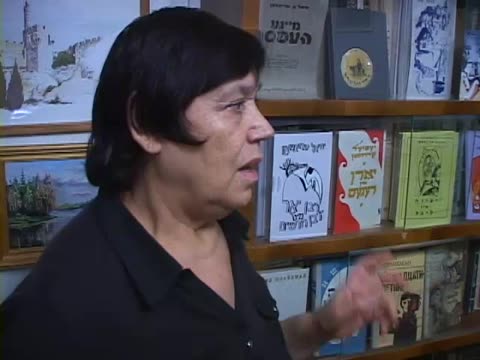
24:55

Lipovetskiy provides personal information.

From the machine transcript

Lipovetskiy gives his name, patronymic and surname, and says he worked in a Romanian-language and then a Moldovan school. He lives in Chișinău and was born there, and his parents were also from there.

26:20

Lipovetskiy speaks about his family.

From the machine transcript

Brief passage of mainly Kerler's questions, apparently about years and age, with only fragments of Lipovetskiy's replies.